Regulations · EU
The EU packaging regulation (PPWR) now applies: what vending and coffee operators should check
Since 12 August 2026 the new EU packaging rules apply in phases. PFAS limits for food-contact packaging and duties around reusable packaging are among the first obligations.
2 min read
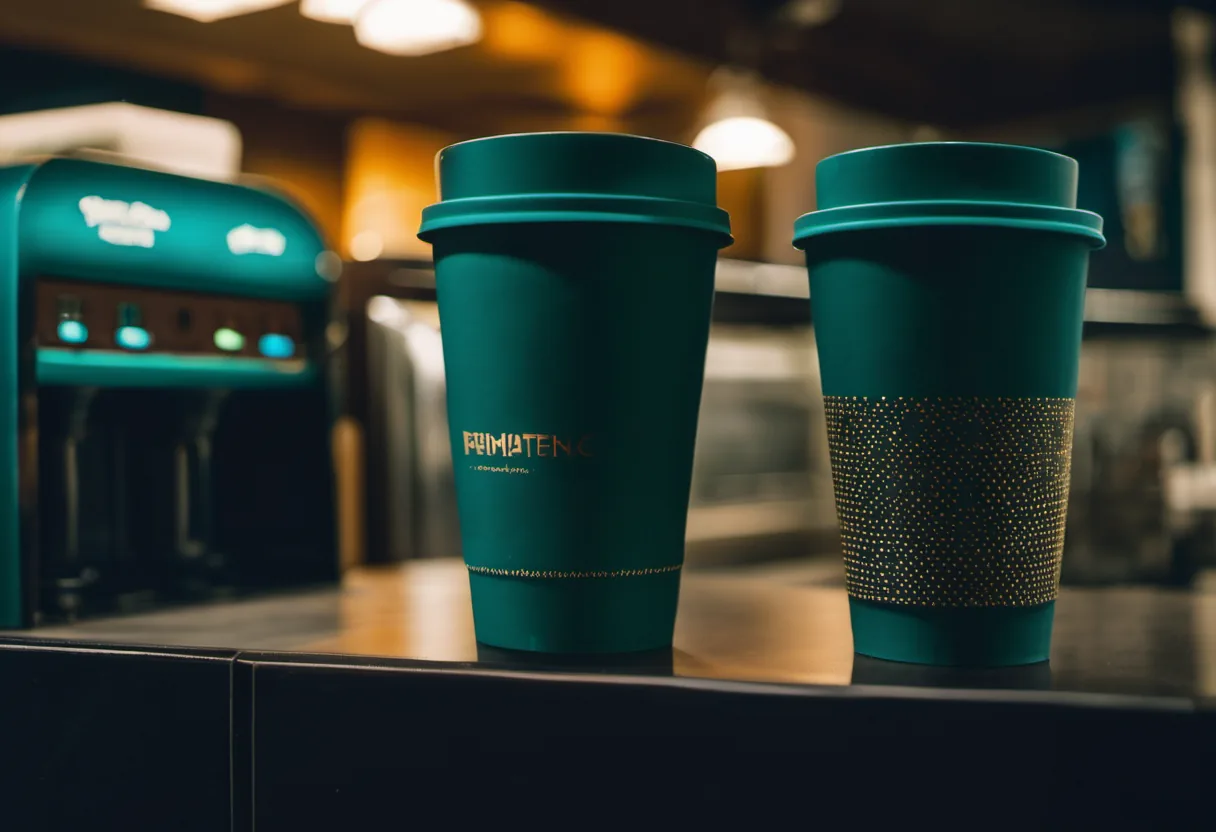
The EU Packaging and Packaging Waste Regulation (PPWR) replaced a patchwork of national rules with one regulation for the whole EU. It started to apply on 12 August 2026 – but in phases, not all at once.
What applies first
- PFAS in food-contact packaging. From 12 August 2026, food-contact packaging containing PFAS ("forever chemicals") above set concentration limits may no longer be placed on the market. Law firms point out that there is no sell-off period for this restriction.
- Reusable packaging needs a system. Compliance guides note that anyone placing reusable packaging on the market must have a working system for collection, reconditioning and redistribution.
- Existing stock. According to the Commission's FAQs, packaging produced and held in stock before 12 August 2026 but not yet placed on the market does not have to be destroyed, remanufactured or relabelled.
Other obligations – labelling, recyclability criteria and reuse targets – follow in later stages. The Commission published guidance for businesses and member states in June 2026.
Why it matters for vending and coffee
Vending and office coffee rely heavily on packaging: cups, lids, stirrers, snack wrappers and bottles. The PPWR mostly targets the companies that place packaging on the market – manufacturers, importers and brand owners – but operators feel it through their suppliers.
What to do now
- Ask your cup and packaging suppliers for written confirmation that their food-contact products meet the PFAS limits.
- Check imported consumables. If you import cups or packaging yourself (for example from Asia), you may count as the party placing them on the EU market – with the obligations that come with it.
- If you run reusable cups or containers, document how they are collected, cleaned and redistributed.
- Watch the timeline. Reuse targets and labelling rules come later – plan purchases of new machines and cup systems with that in mind.
This article is general information, not legal advice.
Sources
- New EU rules on packaging enter into application – European Commission
- European Packaging and Packaging Waste Regulation: summary of provisions and new guidance – Latham & Watkins
- Application of the PPWR: further practical guidance by new EU Commission FAQs – White & Case
- EU PPWR requirements effective from August – Intertek
This article is general information, not legal or tax advice. Rules change – check them with the authority or an adviser before deciding.