Tips & guides
10 mistakes when choosing a vending location – and how to avoid them
A good machine in a bad spot is an expensive lesson. Ten common location mistakes, with a simple scoring card and a revenue check you can do before you buy anything.
3 min read
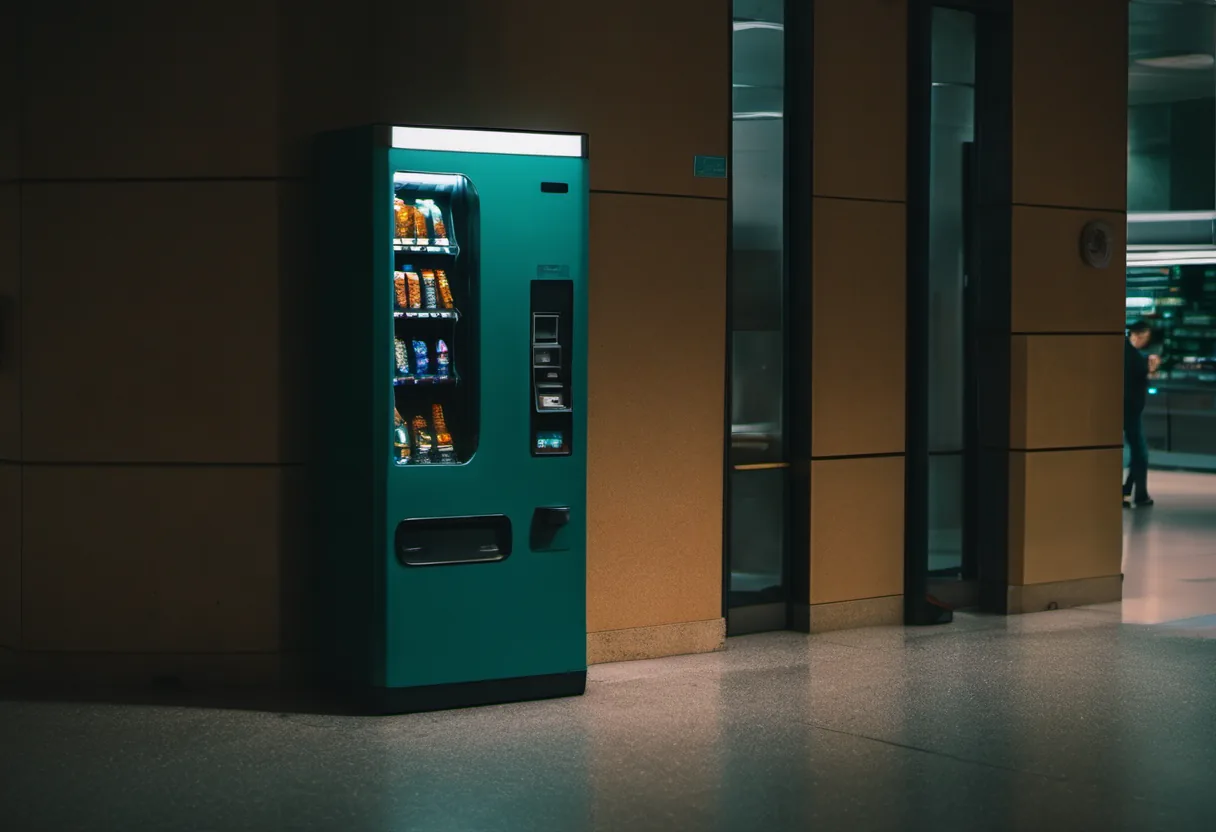
A machine can be replaced, rebuilt or sold. A location cannot be swapped without losing the customers you won there. That is why location comes first – and why most failed vending projects fail on location, not on technology.
The 10 mistakes
- Buying the machine before the location. Sign the machine order only after you have a signed trial agreement with the site.
- Confusing a big building with a good spot. Thousands of people may work there, but if there is one entrance, locked corridors and a canteen, they may never walk past your machine.
- Estimating footfall instead of counting it. Count people passing the exact spot for at least 20 minutes, in the morning, at lunch and in the afternoon, on three different days.
- Relying on a promise instead of a contract. Every promise belongs in writing: notice period, trial period, access hours, who pays for electricity.
- Choosing the machine type by fashion. Pick the format after you know the location and its people – a coffee machine and a snack machine serve very different moments.
- Ignoring dwell time. People in transit buy fast and small. People who wait or work nearby buy more and more often.
- Overlooking the competition next door. A shop, kiosk or canteen with longer hours and lower prices can halve your sales.
- Forgetting the technical basics. A 230 V socket in reach, mobile signal for card payments, a level floor, door widths and a route for restocking.
- Calculating only the optimistic scenario. Always run three: cautious, realistic and optimistic – and decide on the cautious or realistic one.
- Signing under time pressure. "Tomorrow it may be gone" is one of the most common signs of a bad deal. A good site can be checked within a week.
A simple scoring card
Rate each criterion from 1 to 5, multiply by the weight and divide by five. The total is a score out of 100.
| Criterion | Weight |
|---|---|
| Footfall or number of employees (measured) | 20 |
| Target group and buying behaviour | 15 |
| Dwell time | 15 |
| Competition and alternatives | 10 |
| Opening hours and access | 10 |
| Security and vandalism risk | 10 |
| Technical conditions | 10 |
| Contract terms and the host's attitude | 10 |
As a working rule: 75+ is worth pursuing, 50–74 only with a trial and a good contract, below 50 – walk away. Adjust the thresholds as you gain your own experience.
Check the revenue before you buy
Daily people (counted) × share who buy × average price × selling days = monthly revenue.
The share who buy is the most uncertain number – start cautiously and correct it after the first two or three weeks of real sales. If the cautious scenario does not cover commission, restocking, payment fees and service, the location is not worth it, however good it looks.
From the suarq. workshop materials – chapter "Location decides everything".